

Posture & Wellness
A journey into the profound connection between how we stand, how we think, and how we feel, and one woman's transformative path from chronic pain to renewed vitality.
By Marina Prospero•Certified Posture Specialist•12 min read
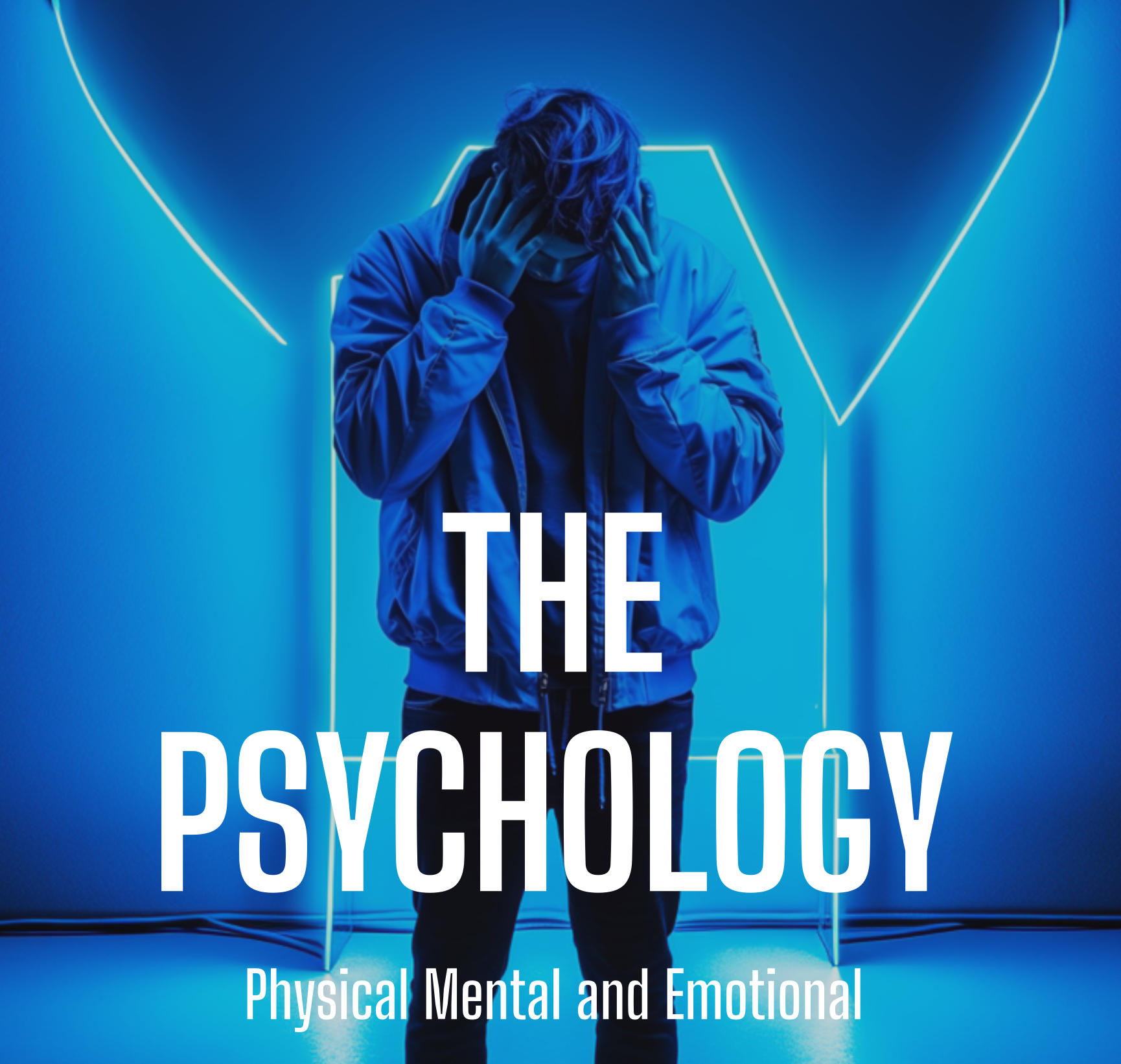
Posture is a dynamic reflection of our physical, mental, and emotional forces
The Profound Connection
Over the years, I've had the incredible privilege of helping more than 10,000 people transform their posture. Through this work, I've discovered something profound: posture isn't merely about standing up straight or sitting correctly.
It's a dynamic reflection of the physical, mental, and emotional forces at play within us.
Poor posture can slowly erode our confidence and vitality, while reclaiming alignment can lead to transformation that goes far beyond the physical. When we understand posture as an interplay of body, mind, and emotions, we unlock the door to lasting change.
"Posture is about how we show up in the world. Aligning body, mind, and emotions leads to balance, strength, and confidence."
The Three Pillars of Posture
- Physical alignment forms the foundation, how our bones, muscles, and joints work together.
- Mental posture is tied to focus, awareness, and how we perceive ourselves in space.
- Emotional posture reflects our inner states, joy, stress, confidence, or fear.
Addressing one element without the others leads only to temporary fixes. True transformation requires understanding and nurturing all three.
The Trilogy of Posture: Physical, Mental, and Emotional
1. The Physical Aspect: The Foundation
The physical component of posture encompasses structural alignment, muscular strength, flexibility, and habitual movement patterns. It's what most people think of when they hear the word "posture."
Key Elements:
- Musculoskeletal Alignment: Optimal positioning of the spine, shoulders, hips, and limbs to reduce strain on the body.
- Muscle Strength and Flexibility: Balanced muscles support proper alignment, while flexibility ensures healthy range of motion.
- Habitual Patterns: Our daily activities, sitting at desks, looking at phones, carrying bags, create patterns that shape our posture over time.
Key Takeaway: The physical aspect is foundational, but it's constantly influenced by external factors like pain, injuries, and fatigue. We cannot isolate it from our mental and emotional states.
2. The Mental Aspect: The Cognitive Framework
Posture reflects our mental state and cognitive awareness. How present we are in our bodies directly affects how we carry ourselves.
What Influences Mental Posture:
- Body Awareness (Proprioception): The brain's understanding of body position. Lack of awareness leads to unconscious misalignment.
- Concentration and Focus: Deep mental engagement can lead us to adopt poor postures without realizing, hunching over a laptop, for instance.
- Cognitive Habits: Our perceptions of how we "should" stand or sit shape our postural patterns, often without us knowing.
Key Takeaway: Mental clarity and mindfulness practices enhance posture by increasing body awareness and helping us break unconscious bad habits.

Metamorphosis: A Personal Journey of Transformation
The Challenges That Shaped My Posture
Growing up, I faced challenges that profoundly shaped my posture. As a child, I was heavier than my peers and developed early. By nine years old, I was taller than most and already developing physically in ways that made me feel different, visible when I wanted to disappear.
To shield myself, I began rounding my shoulders and hunching forward. What started as a protective instinct became deeply ingrained over the years.
By adulthood, this poor posture had taken its toll: severe lower back pain, sciatica, and a weak core. My demanding job in the film industry only made things worse. I tried everything, chiropractic care, craniosacral therapy, yoga, physical therapy. Each provided temporary relief, but nothing addressed the root cause.
"I felt trapped, as if my body was betraying me, and I couldn't break free from the cycle of pain."
The Emotional Weight of Chronic Pain
What I didn't fully understand then was how deeply my physical pain was affecting my emotional and mental well-being. I would wake up dreading the day, knowing that constant discomfort awaited me.
Pain became like a cloud that followed me everywhere. Activities I once enjoyed became burdens. I withdrew from social situations. The frustration led to hopelessness.
And then came the shame, feeling "weak," questioning my resilience and self-worth. I felt betrayed by my own body. The remedies I tried would work for a while, then fail. Pain was controlling my life.

The Moment Everything Changed
At 35, feeling defeated, I met Collon Brown, the inventor of an elastic resistance harness that would change my life.
The moment I strapped into his device, I experienced an instant transformation. My hunched, imbalanced posture shifted to something open, aligned, and balanced. My breathing improved immediately, deep and full. And the constant sciatica pain that had plagued me for years? It disappeared.
I felt a wave of emotional liberation, as if I had unlocked a hidden part of myself. This experience sparked a passion to explore posture more deeply.
"I saw that while physical alignment is crucial, true and lasting transformation requires addressing the mental and emotional readiness to change."
Posture Reflects the Entirety of Who We Are
I began working with Collon to refine his invention. Daily use of the harness led to dramatic posture improvement, increased strength, balance, and confidence. But the changes weren't just physical, they reshaped my entire self-perception.
I became a certified posture specialist, combining professional knowledge with lived experience. I've since witnessed thousands of transformations, people reconnecting with their authentic selves, finding confidence, strength, and emotional well-being they didn't know was possible.
The Mind-Body Breakthrough
A major breakthrough in my journey came from Dr. John Sarno's book "Healing Back Pain," which introduced me to the mind-body connection in a clinical context. Sarno's work explained how chronic pain can stem from repressed emotions and stress.
Reading that book was a revelation: my emotional and psychological states had been contributing to my physical struggles all along. I began confronting underlying stressors and emotional patterns I had been avoiding.
Combining physical posture support with these psychological insights was the turning point. I wasn't just treating symptoms, I was addressing root causes on every level.
"This transformation didn't just heal my back, it helped me reconnect with myself on every level."
Transformation: Seeing is Believing
The images below tell my story, and the stories of thousands like me. They show what's possible when we address posture holistically: living pain-free and posture-strong.


Your Posture Journey Begins Now
Posture is not a one-time fix, it's a daily practice. Modern life constantly works against good alignment: sitting, hunching, rushing through our days. But lasting change comes from consistent, small, intentional corrections throughout each day.
Remember: your posture is a reflection of how you engage with the world. It speaks before you do, influencing how others perceive you and how you perceive yourself.
By addressing the physical, mental, and emotional aspects of posture together, you unlock the possibility of true transformation, not just standing taller, but feeling stronger, more confident, and more authentically yourself.

Continue Your Posture Journey
Explore more insights from "The Psychology of Posture" and learn how daily posture habits reshape how you feel and function.
Marina Prospero
Certified Posture Specialist & Co-Inventor of the Back Transformer System